When you have cable and your picture ______________ you get ____________.
When you _________________your work ___________-.
When your work _______________ the wrong man _______________.
When the wrong man________________________ he______________________
When he___________________________he thinks about you a lot.
And when he thinks about you a lot your house _________________.
Don't have your house __________________. __________________ and upgrade to DirectTV.
Call 1-800 DIRECTTV.
"Joe is chasing the bus."
"Kevin wants some ice-cream."
t we often use can + see/hear:
I can see someone in the distance. notI am seeing someone in the distance.
I can't hear you very well. not I am not hearing you very well.
With verbs that we cannot use in continuous tenses, there is no real action or activity. Compare hear and listen. The verb "hear" means "receive sound in your ears". There is no action or activity by you. We cannot use hear with continuous tenses. But listenmeans "try to hear". You make an effort to hear. There is a kind of action or activity. We can use listen with continuous tenses.
Some verbs can be both stative and dynamic:
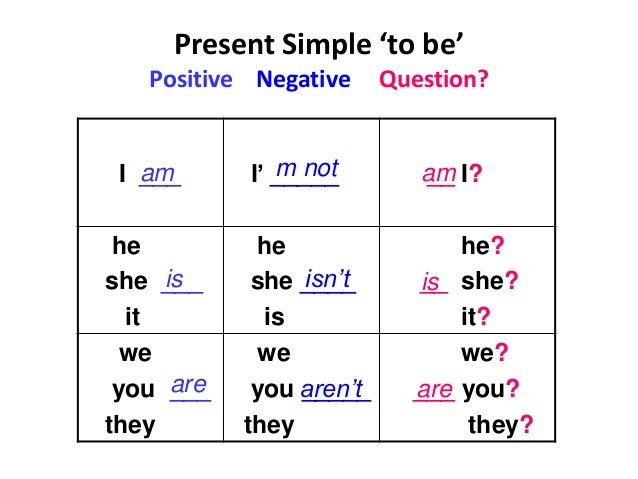
Be
be is usually a stative verb, but when it is used in the continuous it means 'behaving' or 'acting'
you are stupid = it's part of your personality
you are being stupid = only now, not usually
Think
think (stative) = have an opinion I think that coffee is great
think (dynamic) = consider, have in my head what are you thinking about? I'm thinking about my next holiday
Have
have (stative) = own I have a car
have (dynamic) = part of an expression I'm having a party / a picnic / a bath / a good time / a break
See
see (stative) = see with your eyes / understand I see what you mean I see her now, she's just coming along the road
see (dynamic) = meet / have a relationship with I've been seeing my boyfriend for three years I'm seeing Robert tomorrow
Taste
taste (stative) = has a certain taste This soup tastes great The coffee tastes really bitter
taste (dynamic) = the action of tasting The chef is tasting the soup
('taste' is the same as other similar verbs such as 'smell')